
Let’s be honest: nobody’s opening TikTok between classes to find “just breathe for twenty minutes.” You’ve got four minutes before your next lecture, a notification buzzing about a project, and a brain that’s already three tabs deep. Full-on meditation sessions sound great in theory — but who has the time?
That’s exactly why micro mindfulness exists. It’s not about carving out a sacred hour of stillness. It’s about slipping tiny, doable moments of presence into the cracks of a packed schedule. Ninety seconds. Sometimes even ten. And the more you do it, the easier it is to do it again, and reach for it when you need it most.
Why bother with something so small?
Because your nervous system doesn’t need a retreat to reset — it just needs a pause. Research on brief mindfulness practices keeps landing on the same finding: short, repeated moments of attention can lower stress reactivity almost as effectively as longer sessions, especially when they’re consistent. The magic isn’t in the duration. It’s in the interruption — breaking the autopilot loop of scrolling, stressing, scrolling, stressing.
A few micro-practices you can actually use today:

The doorway breath. Every time you walk through a doorway — dorm room, lecture hall, dining hall — take one slow breath before you cross the threshold. You’ll walk through dozens of doorways a day. That’s dozens of resets, for free.
5-4-3-2-1 grounding. Waiting for a professor to post grades, or just spiraling about an email you sent? Name 5 things you see, 4 you can touch, 3 you hear, 2 you smell, 1 you taste. It sounds simple because it is — and that’s the point.
The single-tasking sip. Next time you grab coffee or water, take the first sip without checking your phone. Just taste it. One sip of actual attention.
Walking transitions. Instead of using the walk between buildings to catch up on texts, let it be a walk. Notice your feet on the pavement, the temperature, the sky. You’ll still make it to class on time — you’ll just arrive a little less frazzled.
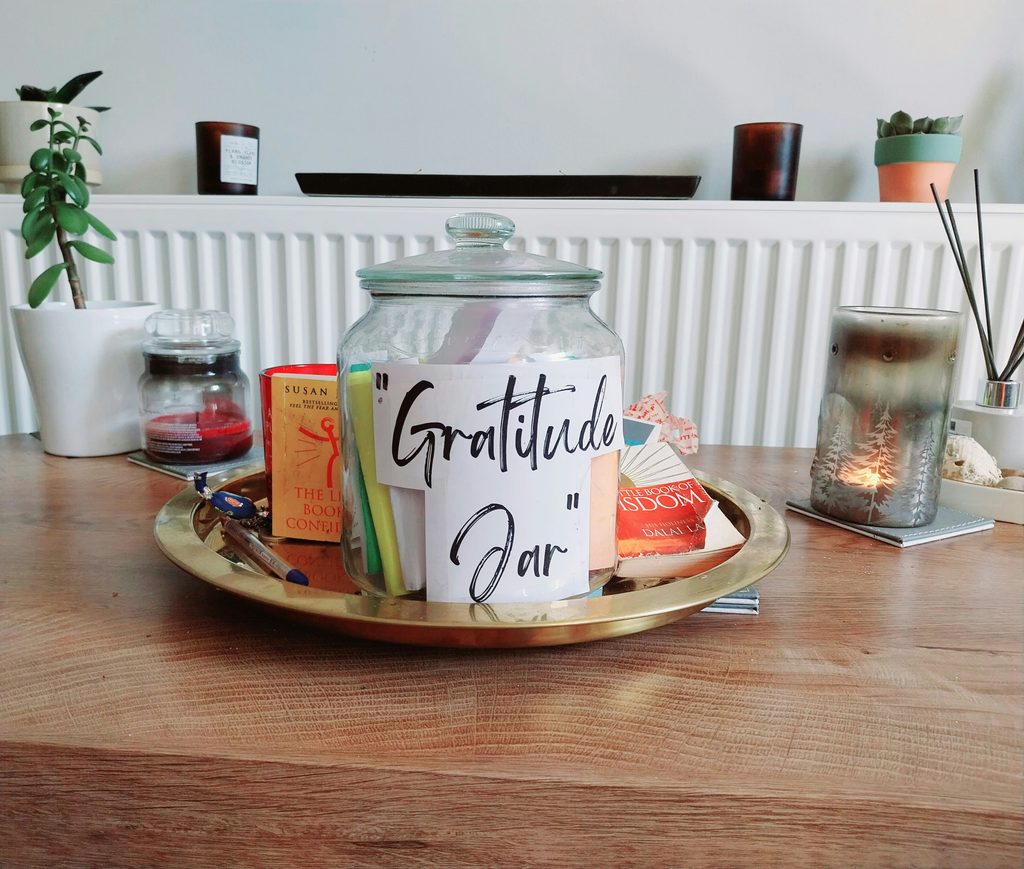
Gratitude practice. Before bed, off your screens, take a moment to think about your day and filter through the things that you could be grateful for, and pick something specific from the movie you replay in your mind of your day.
Box Breathing. Imagine a square or a box. Each breath makes up a side of it. Take an inhale for 4 seconds. Hold 4 seconds. Exhale for 4 seconds. Hold for 4 seconds. Repeat a few times and notice how you feel after. This one is great before an exam, before or after a stressful moment or conversation, anytime you just need to regulate and get back to feeling grounded in your body.
Finding stillness in our modern world
Stillness has to be intentional at this point in our world. To some extent, it may even feel like we have to fight for it. It doesn’t just happen by accident anymore. Micro mindfulness isn’t about rejecting the technology at your fingertips or being productive. It’s about building small guardrails so you’re choosing where your attention goes, instead of it being pulled everywhere at once. You get the control back
Try this:
Pick just one micro-practice from the list above and pair it with something you already do every day — brushing your teeth, walking to class, opening your laptop. Habits stack better than habits started from scratch. You don’t need a meditation app subscription or a silent room. You need ninety seconds. You can start exactly where you are with what you’ve got.
Written by Blaire Bridges
Director of Candid